
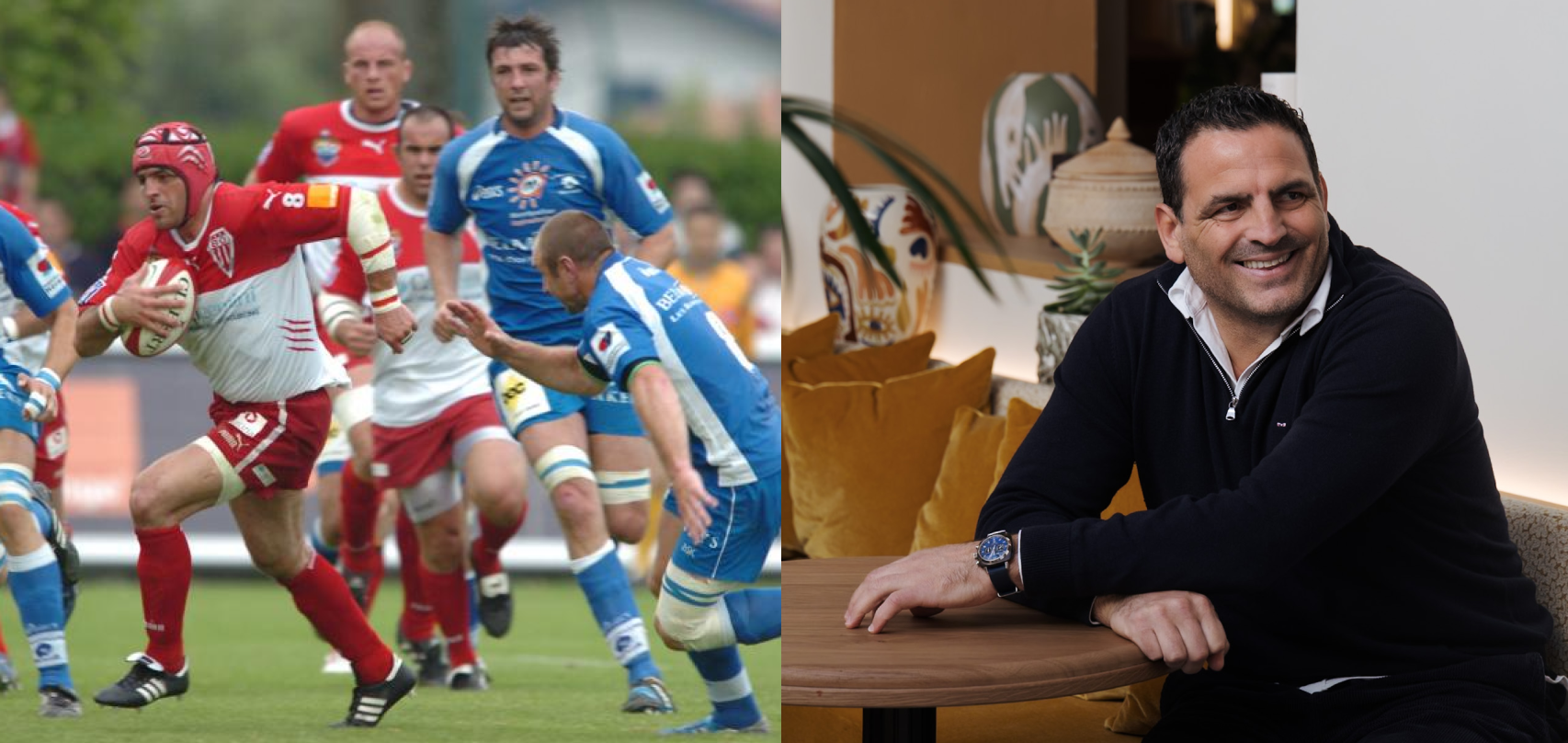

The journey from professional athlete to CEO rarely straightforward. For Thomas Lièvremont, former professional rugby player and CEO of sports analytics platform AIA Sports, the path was shaped not by a rigid plan, but by curiosity, experience, and a deep understanding of what sport truly needs.
Today, he leads a growing sports technology company helping clubs, federations, and coaches use data to make smarter decisions. But the story begins long before the startup world — on a rugby field.
Early Beginnings: A Life Shaped by Sport
Thomas Lièvremont started playing rugby at just five years old. Like many young athletes, his early experience was simple: playing with friends, following his brothers to training sessions, and enjoying the game.
Sport was always part of family life. His parents encouraged both individual and team sports, which meant fencing also played a role in his childhood. Eventually, however, he had to choose – and rugby won.
Not because of a grand career ambition — but because it simply felt right.
When Thomas was selected for the French junior national rugby team, he began to realise that something bigger might be possible. Still, he often jokes that even then he had no clear idea of where his career would lead — a mindset that later allowed him to embrace reinvention.
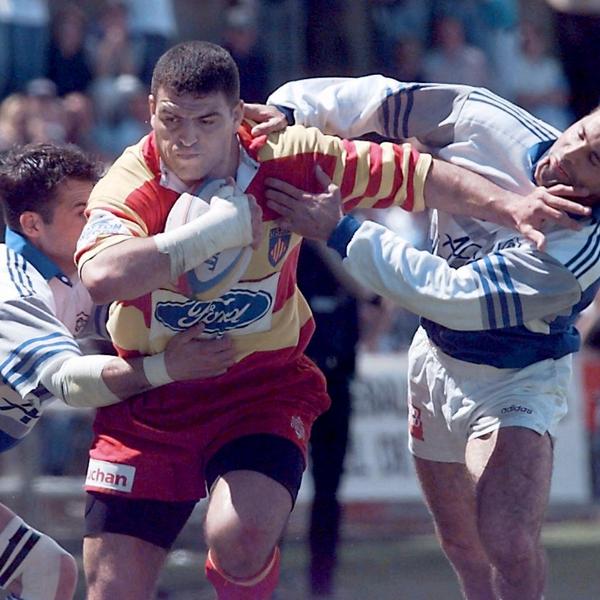
Playing Through Rugby’s Professional Revolution
Thomas’s professional career coincided with a pivotal moment in rugby history: the sport’s transition from amateur status to full professionalism.
Training loads increased dramatically. Physical preparation became more scientific. Mental performance started gaining recognition as a critical part of success.
The margins between winning and losing grew smaller.
Toward the end of his playing career, sports data and analytics were beginning to appear in elite environments. However, most decision-making still relied heavily on coaches’ intuition and experience, rather than structured performance analysis.
The tools available were limited — and often fragmented.
Discovering the Power of Sports Data
Thomas’s true introduction to data-driven performance analysis came not as a player, but as a coach.
In 2008, while working as a trainer coach at US Dax, he was responsible for analysing statistics to support player recruitment and performance evaluation. For the first time, data became something tangible.
That experience revealed two things:
- Data could be incredibly powerful in sport.
- Most existing tools made it unnecessarily difficult to use.
Platforms were often inaccessible, overly complex, or poorly designed for the realities of coaching. That insight would later become the foundation of a new venture.
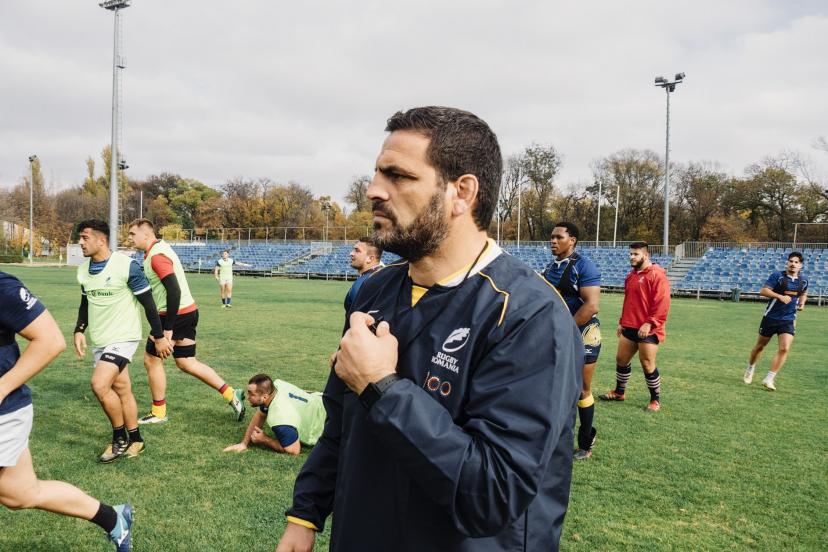
From Professional Athlete to CEO
After retiring from professional rugby, Thomas remained deeply connected to the sport. He transitioned into roles as a coach, commentator, and leader, building skills in communication, strategy, and management.
These experiences would later prove invaluable in the startup world.
Interestingly, he never planned to create a company. As he often says, he “fell into entrepreneurship.”
During conversations with French professional rugby clubs, one recurring challenge kept emerging: clubs needed better tools to analyse global talent and performance data.
Talent existed everywhere. But insight did not.
The Creation of AIA Sports
In 2020, AIA Sports was born, a sports analytics platform designed to help teams analyse performance and recruitment more effectively. Here Thomas took the leap from Professional Athlete to CEO.
Initially built for professional rugby clubs, the platform quickly attracted interest from amateur and semi-professional coaches who wanted access to the same analytical tools used at the elite level.
That demand reshaped the company’s mission.
Instead of focusing solely on professional sport, AIA Sports embraced a broader vision:
Make powerful performance data accessible to everyone in sport.
For Thomas, this remains one of the company’s proudest achievements — ensuring that technology designed for elite environments can also benefit grassroots athletes and coaches.
A Defining Moment: Working with the French Rugby Federation
One of AIA Sports’ earliest milestones came when the company secured its first major client: the French Rugby Federation.
The task was ambitious — delivering performance data for the women’s rugby competition ahead of the Tokyo Olympic Games. The pressure was intense.
Deadlines were tight, and the product was still evolving. The system wasn’t perfect, but it worked — and more importantly, it proved that AIA Sports could operate at the highest level of international sport.
When France eventually secured a silver medal, the moment validated the effort behind the technology.
For Thomas, it was a stressful but defining introduction to building and leading a tech company.
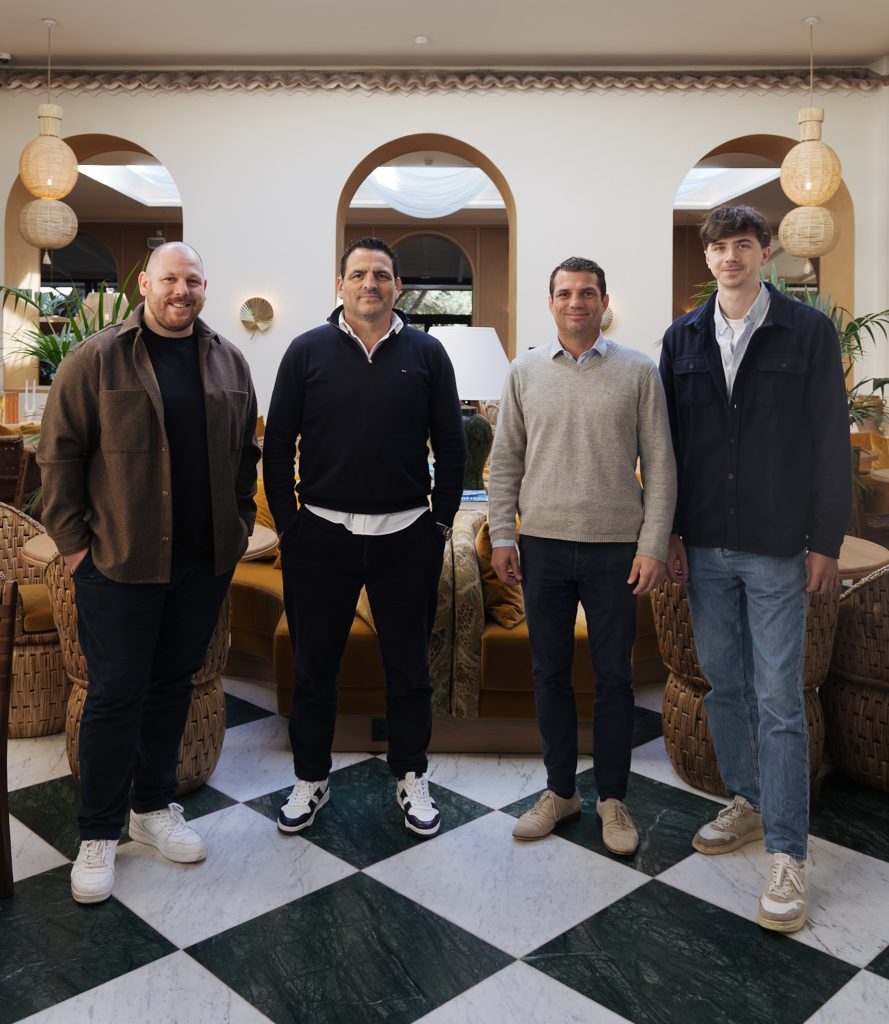
Leadership Lessons from Rugby
Leadership has been a constant theme throughout Thomas’s career. From Professional Athlete to CEO, rugby coach, commentator, father, husband – Thomas takes on many roles in his life which he is proud of, each of them requires strong communication and dedication.
Today, his leadership philosophy focuses on balance and clarity. He prioritises sharing his vision with the team every day while staying connected to the people building the company alongside him.
He also speaks openly about the importance of family support, particularly his wife, as the foundation that makes the entrepreneurial journey sustainable.
Performance Philosophy: Data Should Support, Not Replace Instinct
Despite leading a sports analytics company, Thomas remains grounded in a philosophy shaped by his playing days. For him, performance always begins with people.
Athletes must improve individually, but never at the expense of team cohesion.
True success requires a balance of:
- Physical preparation
- Mental well-being
- Collective purpose
Data, when used well, should provide clarity and insight — not overwhelm coaches or players with unnecessary complexity.
Technology should support decision-making, not replace human understanding.
The Future of Rugby and Sports Analytics
Thomas has witnessed rugby evolve dramatically over the years.
He points to the French national team’s recent tactical development, particularly its growing offensive strategy and maturity.
These same principles apply to building a company. Looking ahead, the ambition for AIA Sports extends far beyond rugby.
The platform already supports professional clubs, amateur teams, and semi-professional organisations, something Thomas considers central to the company’s identity.
The long-term goal is clear: To become a global sports data platform supporting federations, leagues, and teams across multiple sports.
The aim is not just to provide data, but to help organisations make better decisions while preserving the essence of sport.
 English
  Français
  Español
  Euskara